May 2026 Newsletter: Stroke Awareness Month

As we enter the last month of spring, we hope our community enjoyed a sunny and safe beginning of the year.
May serves as Stroke Awareness Month, raising awareness for the prevention, risks, and symptoms of strokes. This awareness could be the difference between a strong recovery, disability, or even death.
Stroke is the No. 4 cause of death and a leading cause of disability in the United States.American Stroke Association
What is a stroke? A stroke occurs when a blood vessel that carries oxygen and nutrients to the brain is either blocked by a clot or bursts (ruptures). When that happens, part of the brain cannot get the blood and oxygen it needs, so brain cells begin to die.
Know the symptoms so you can BE FAST!


B = Balance Loss
Is there a sudden loss of balance or coordination? Is the person having trouble walking or experiencing dizziness?
E = Eye (Vision) Changes
Are there sudden changes in vision? Ask the person if they are experiencing blurred vision, double vision, or loss of sight in one or both eyes.
F = Face Drooping
Does one side of the face droop, or is it numb? Ask the person to smile. Is the person's smile uneven?
A = Arm Weakness
Is one arm weak or numb? Ask the person to raise both arms. Does one arm drift downward?
S = Speech Difficulty
Is speech slurred or difficult to understand? Ask the person to repeat a simple sentence.
T = Time to Call 911
If you have any of these symptoms or see someone else having them, call 9-1-1 immediately!
A transient ischemic attack (TIA) is a warning or "mini" stroke. This can include all the same symptoms of a stroke, the only difference being that it resolves on its own. This is still a medical emergency and requires you to be seen by a doctor. A TIA can be a warning sign of your susceptibility to future strokes.
Stroke Risk Factors: High blood pressure, smoking, diabetes, inactivity, or Afib are just a few of the most common risk factors associated with strokes. Visit the American Stroke Association website to learn about controlling and even treating your risk factors for stroke.

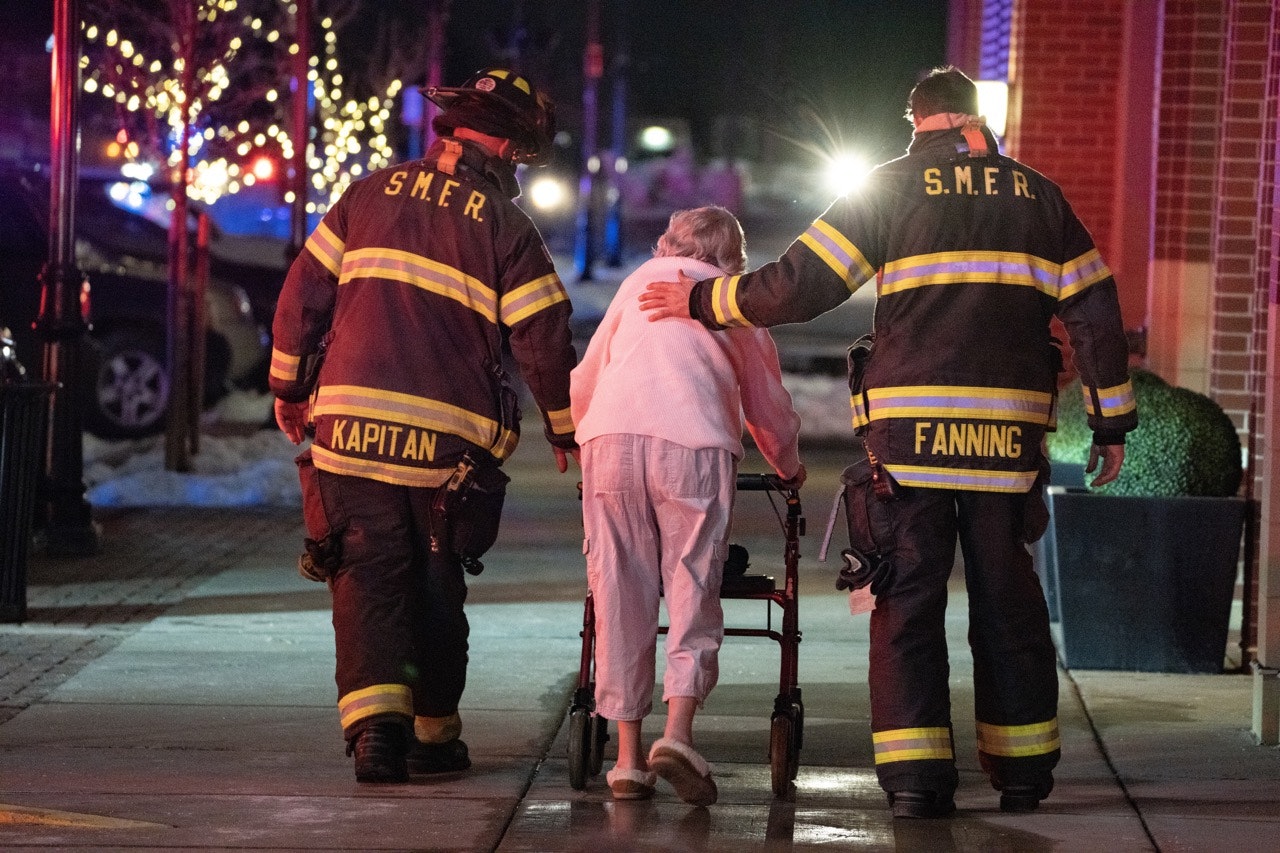
If you are unsure whether your condition warrants an ER vs Urgent Care visit, do not hesitate to call 911 and receive an evaluation by SMFR Paramedics. We can help you make your transport destination decision.
Other Ways to Receive Medical Care:
Besides calling your Doctor's office and making an appointment for the future or calling 9-1-1 for a life-threatening emergency, here are ways you can quickly access medical personnel for assistance.
- Talk to a doctor over Telehealth: Telehealth — sometimes called telemedicine — lets your health care provider care for you without an in-person office visit. Telehealth is done primarily online with internet access on your computer, tablet, or smartphone.
- Have a provider come right to your home with Dispatch Health. Call or book online for an appointment. DispatchHealth is much more than an urgent care provider, offering many of the same services as an emergency room, minus the high ER costs and wait times. Open 7 days a week, including holidays 7 AM - 10 PM.
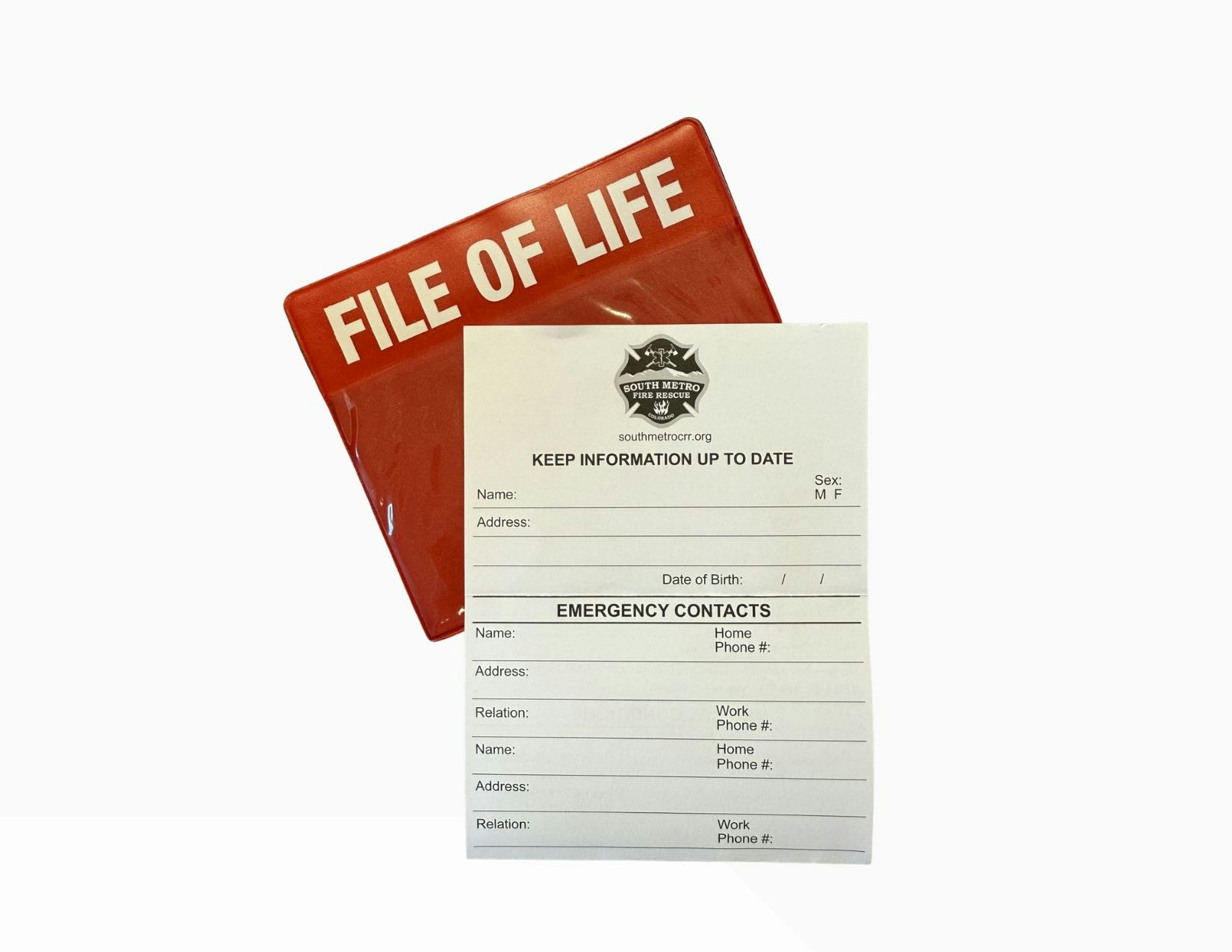
Reach out to South Metro to request a File of Life. This file, when kept updated, is a priceless resource for first responders should you experience a medical emergency at your home. REQUEST A FILE OF LIFE HERE
Help Us Help You.
Communicate your medical priorities in the midst of a medical emergency by having the hard conversations, filling out the required paperwork, and making sure it is readily available for first responders.
INCREASED WILDFIRE RISK
You may have noticed how DRY this winter and spring season was.
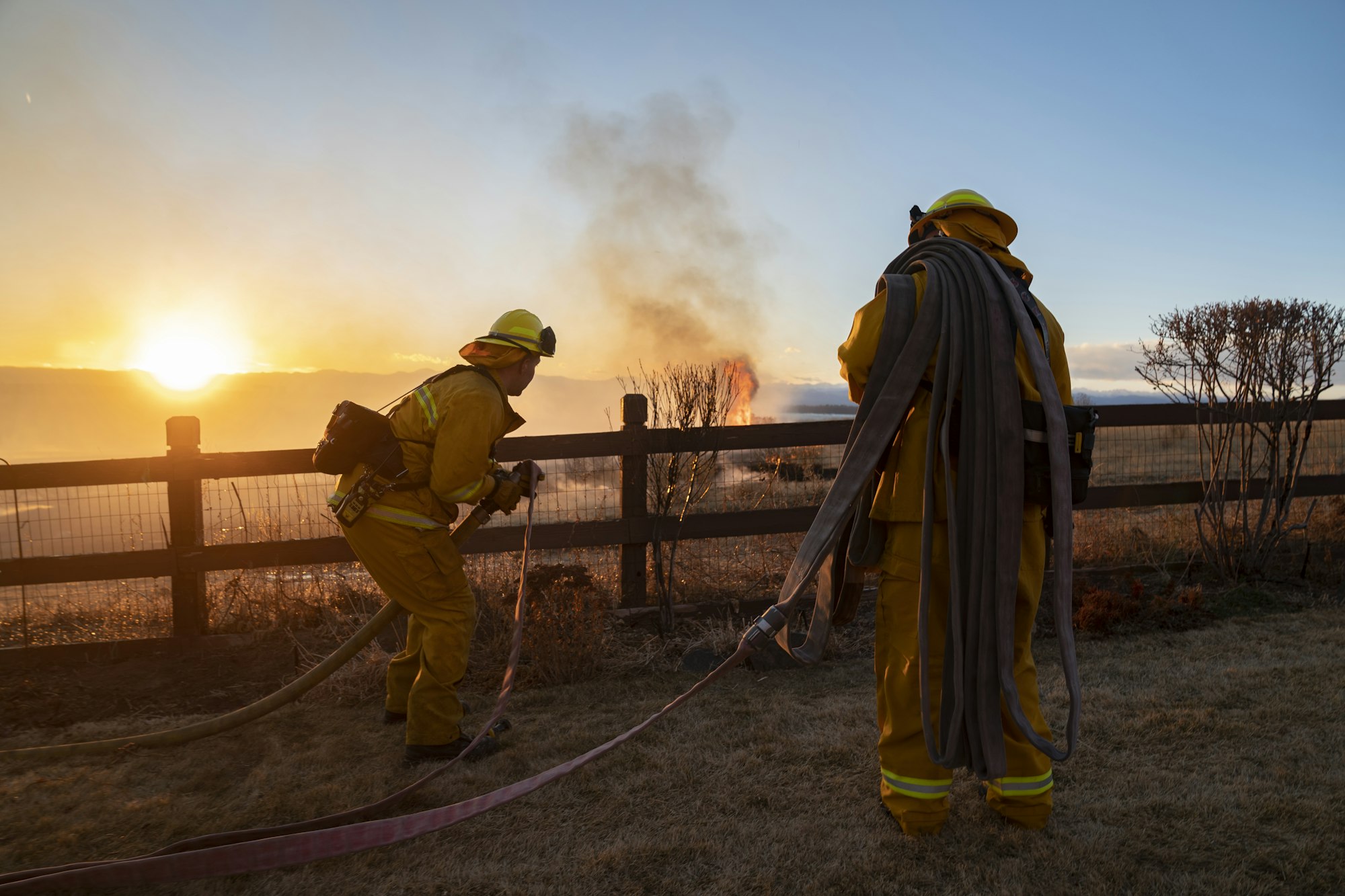
South Metro Fire Rescue is preparing for the impact of a dry winter on our upcoming wildfire season. In Colorado, winter snowpack plays a critical role in keeping vegetation moist well into the summer months. When snowfall is below average, grasses, shrubs, and trees dry out earlier and become more receptive to ignition. This means that fires can start sooner, spread faster, and burn more intensely. Combined with warmer temperatures and seasonal winds, this creates the potential for an extended and more dangerous wildfire season.
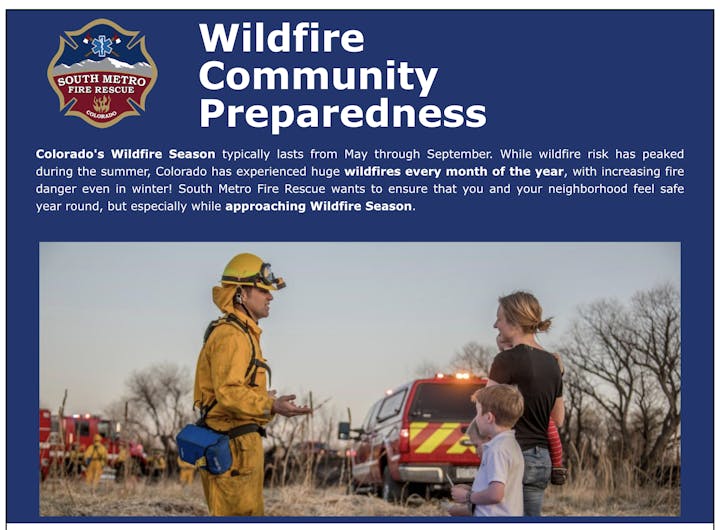
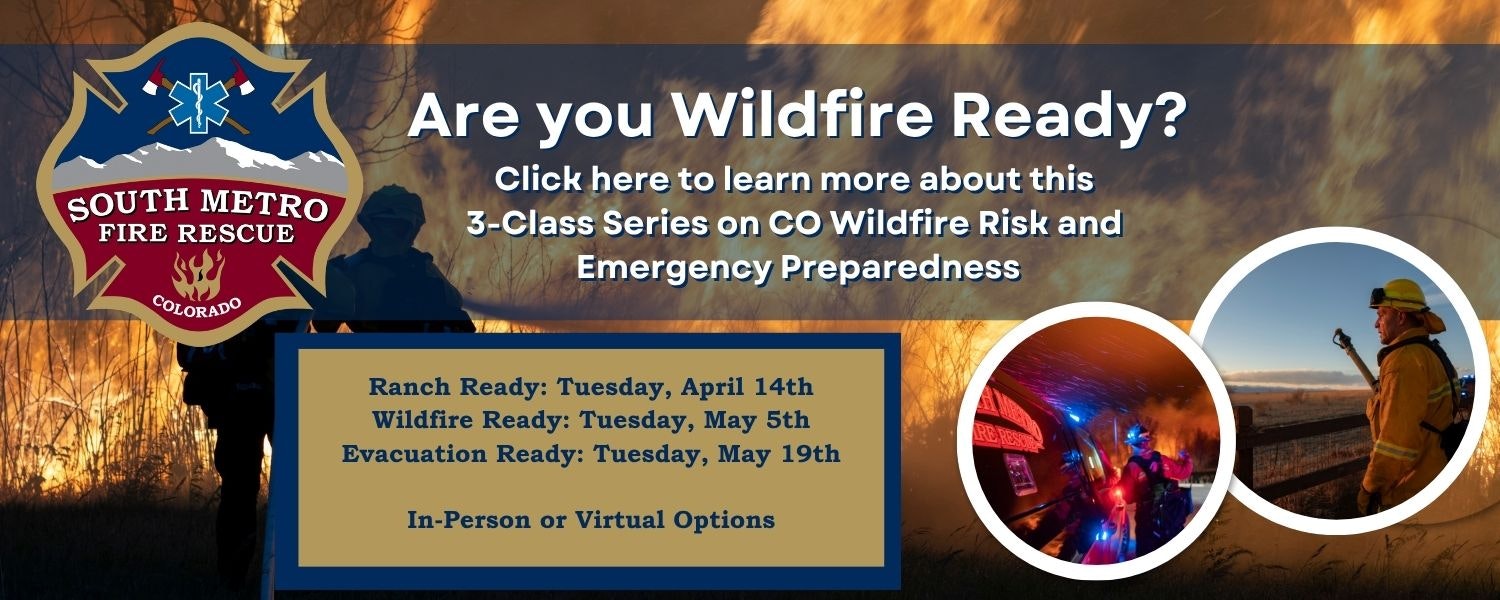
Join us for our upcoming in-person or virtual classes on Wildfire Preparedness. Click the photo below to sign up for the seminar.
Upcoming Douglas County Drought and Wildfire Preparedness Open House
May 9th @ 10:00am - 1:00pm at the Douglas County Fairgrounds in Castle Rock.
To help residents prepare, Douglas County, in partnership with Colorado State University, is hosting a Wildfire Mitigation Open House on Saturday, May 9, at the Douglas County Fairgrounds. This free, family-friendly event gives residents a chance to connect one-on-one with experts and get practical, real-world guidance on protecting their homes and property before peak wildfire season arrives.
Please CLICK HERE to visit the Douglas County website for more information.
Please share this important safety information with friends and neighbors so we can all stay safe together! Encourage them to sign up for our Newsletter by clicking here or using a link provided below. Make sure to add ReducingRisk@SouthMetro.org to your contacts so our newsletters don't accidentally end up in your spam folder!

From our South Metro Family to yours, we hope you have a safe and happy May!